

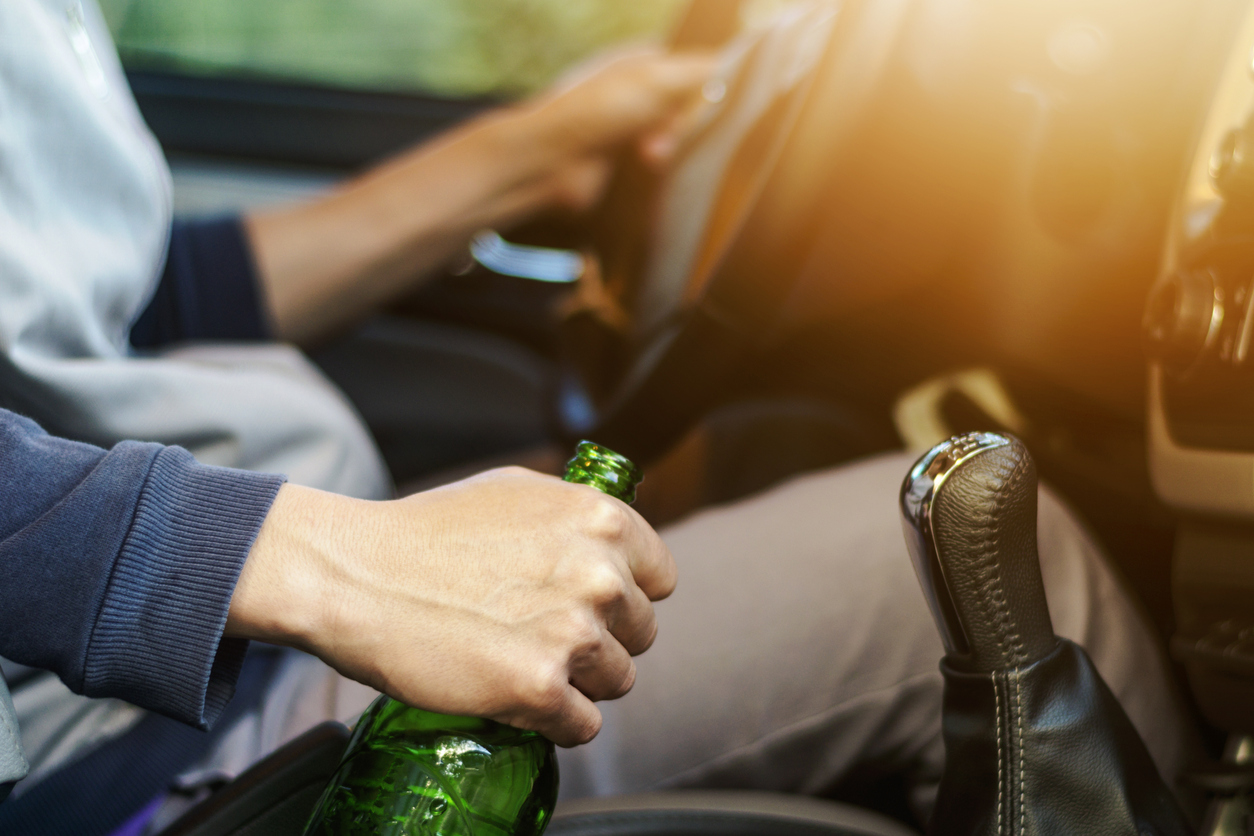
Being hit by a drunk driver is a betrayal of public trust. Safe drivers in Columbia, Aiken, and North Augusta follow the rules of the road, expecting others to do the same. When another motorist chooses to drive impaired, that reckless decision can shatter lives in an instant. Victims are often left facing mounting medical bills, lost income, and significant physical pain, all while the at-fault driver navigates the criminal justice system.
Victims often ask what the ‘average’ settlement amount is after being hit by a drunk driver in South Carolina. The reality is complex. No online calculator or “average” figure can accurately predict the value of a specific claim because the legal and financial factors vary wildly from case to case. Settlement values for DUI crashes generally differ from standard accidents due to the “gross negligence” involved, but securing fair compensation requires a detailed understanding of South Carolina’s punitive damage laws and insurance regulations.
Key Takeaways for Drunk Driver Settlements in South Carolina
- Case Specificity: There is no “standard” payout; settlement values fluctuate based on medical costs, long-term impairment, and available insurance coverage.
- Punitive Damages: South Carolina law permits additional damages to punish “reckless” conduct, which may significantly increase the value of a DUI injury claim in SC.
- Civil vs. Criminal: A criminal DUI conviction helps prove liability, but it does not automatically result in a financial payout; a separate civil action is often necessary.
- Comparative Fault: Insurance adjusters may still attempt to shift blame to the victim (e.g., speeding or not wearing a seatbelt) to reduce their financial exposure.
- Hidden Liability: Compensation may not be limited to the driver; establishments that over-served the driver (Dram Shop liability) or vehicle owners (Negligent Entrustment) may also be liable.
Why “Average” Settlement Numbers Are Misleading
It is natural to look for benchmarks when researching South Carolina DUI accident settlement values. However, advertised “averages” can be statistically skewed. A minor collision involving a drunk driver with minimum insurance coverage will have a vastly different settlement outcome than a catastrophic injury case involving a commercial truck or a corporate vehicle.
Instead of looking for a flat number, it is more helpful to understand the three primary “pillars” that determine case value:
- Economic Damages: Verifiable financial losses such as emergency room bills, surgeries, physical therapy costs, and lost wages after drunk driving crash recovery time.
- Non-Economic Damages: The human cost of the crash, including physical pain, emotional trauma, scarring, and the loss of enjoyment of life.
- Punitive Damages: Financial penalties that are designed specifically to punish the wrongdoer for reckless behavior.
Insurance carriers may attempt to treat DUI claims like standard negligence cases. A comprehensive legal strategy involves forcing the insurer to acknowledge that their policyholder’s actions were not just an accident, but a reckless choice that endangers the public.
| Factor | How It Impacts Settlement Value | Why It Matters Under South Carolina Law |
| Severity of Injuries | Catastrophic or permanent injuries (TBI, spinal damage) significantly increase case value | Supports higher economic and non-economic damage claims |
| Documented Medical Expenses | Higher past and future medical costs raise total compensation | Only proven, reasonable, and necessary costs are recoverable |
| Lost Wages | Extended time off work or permanent disability increases settlement value | Includes past income loss and future earning capacity |
| Pain and Suffering | Severe pain, emotional trauma, and lifestyle disruption may exceed medical costs | SC law allows recovery for intangible human losses |
| Drunk Driver’s Conduct | Extreme recklessness or repeat DUI offenses escalate case value | Establishes eligibility for punitive damages |
| Punitive Damages | Can dramatically increase total recovery | DUI cases may qualify for uncapped punitive damages under S.C. Code § 15-32-530 |
| Blood Alcohol Concentration (BAC) | Higher BAC strengthens leverage during negotiations | Demonstrates willful and reckless conduct |
| Preserved Evidence | Video footage, EDR (“black box”) data, and body cam evidence increase claim strength | Reduces liability disputes and insurer defenses |
| Comparative Fault | Any fault assigned to the victim reduces recovery proportionally | SC follows modified comparative negligence (≤50%) |
| At-Fault Driver’s Insurance Limits | Minimum policy limits may cap available recovery | Often necessitates exploring additional sources |
| Third-Party Liability | Bars, employers, or vehicle owners may expand available coverage | Dram shop and negligent entrustment claims |
| Underinsured Motorist (UIM) Stacking | Can multiply available insurance coverage | Permitted for Class I insureds in South Carolina |
| Criminal DUI Outcome | A DUI conviction strengthens civil leverage | Acts as an admission of negligence in civil court |
The Impact of Punitive Damages in SC
In a typical car accident involving simple carelessness (like failing to check a blind spot), a victim is generally limited to compensatory damages. Drunk driving cases differ significantly because the conduct goes beyond simple error.
Under S.C. Code Ann. § 15-32-520, punitive damages may be awarded if the defendant’s conduct was “willful, wanton, or reckless.” Driving under the influence typically fits this definition. These damages are not meant to compensate the victim for a specific bill, but rather to deter the defendant and others from similar conduct.
Uncapping the Damages
South Carolina typically caps punitive damages. However, S.C. Code Ann. § 15-32-530 provides specific exceptions that may apply to drunk driving cases. The statutory cap on punitive damages is removed if:
- The defendant is convicted of a felony arising from the accident.
- The defendant was under the influence of alcohol, drugs, or a combination thereof to the degree that their judgment was materially impaired.
This legislative exception means that in many DUI cases, there is no pre-set limit on what a jury can award for punishment. This factor provides a South Carolina drunk driving injury lawyer with significant leverage during settlement negotiations, as insurance companies are generally risk-averse regarding uncapped jury verdicts.
Preservation of Evidence: Spoliation and Investigation
One reason settlement values vary is the quality of evidence preserved immediately after the crash. In a standard accident, the police report might be sufficient. In a DUI accident investigation, the scope of evidence is much broader.
Attorneys often send “spoliation letters” to relevant parties to prevent the destruction of evidence such as:
- Vehicle “Black Box” Data: Modern cars record speed, braking, and steering inputs moments before impact. This may prove that the drunk driver made no attempt to stop.
- Receipts and Surveillance: Obtaining credit card statements or video footage from the bar where the driver was drinking may establish a timeline of intoxication.
- Police Body Cam: Footage of the field sobriety test provides evidence of the driver’s impairment that a paper report cannot convey.
- 911 Calls: Audio recordings of witnesses describing the driver’s erratic behavior prior to the crash.
Securing this evidence quickly prevents it from being overwritten or lost, which directly strengthens the claim for liability and damages.
Modified Comparative Negligence in DUI Accidents
Even when the at-fault driver fails a Breathalyzer test, their insurance company may still dispute the claim. South Carolina follows a “modified comparative negligence” rule under S.C. Code Ann. § 15-38-15.
Under this statute, a victim may only recover damages if their fault is not greater than the defendant’s (50% or less). If a plaintiff is found to be 51% at fault, they are barred from recovery. Furthermore, any settlement is reduced by the plaintiff’s percentage of fault.
For example, if a case is valued at $100,000 but the victim is found 20% at fault for speeding, the recovery drops to $80,000. Effectively countering these arguments is vital to protecting the full value of an average DUI settlement SC.
Understanding Liability Beyond the Driver
In many severe accidents, the drunk driver’s insurance policy limit (often the state minimum of $25,000) is insufficient to cover medical bills. A thorough investigation frequently looks for additional sources of liability.
Dram Shop Liability
While South Carolina does not have a specific “Dram Shop Act,” the state Supreme Court has established that injured persons can bring civil actions against bars, restaurants, or social hosts who knowingly serve alcohol to an intoxicated person or a minor. If evidence shows a bartender continued to serve a patron who was visibly stumbling or slurring their words, that establishment may share liability for the subsequent crash. This is often the primary path to securing adequate compensation in catastrophic injury cases.
Negligent Entrustment
If the drunk driver was operating a vehicle owned by someone else (a parent, friend, or employer), the owner of the vehicle might be liable under the theory of “negligent entrustment.” This applies if the owner knew, or should have known, that the driver was incompetent, habitual, or intoxicated, yet allowed them to drive anyway.
Stacking Insurance Coverage (UIM)
A critical, often overlooked aspect of South Carolina law is the ability to “stack” Underinsured Motorist (UIM) coverage. If the drunk driver has minimal insurance, your own UIM policy kicks in to cover the difference.
South Carolina allows “Class I” insureds (the named insured and family members in the household) to stack UIM coverage from multiple vehicles on the same policy or across different policies.
Example: If you have three cars in your household, each with $50,000 in UIM coverage, you may be able to stack them to access $150,000 in total coverage. This legal mechanism can vastly increase the funds available for medical bills and pain and suffering, but it requires a specific analysis of the insurance contracts.
The Interaction Between Criminal and Civil Proceedings
It is a common misconception that the criminal court judge will order the drunk driver to pay for all of the victim’s losses. While restitution is possible, it is rarely enough to cover total damages.
- Criminal Case: The State vs. The Defendant. The goal is punishment (jail, fines, loss of license).
- Civil Case: The Victim vs. The Defendant (and Insurance). The goal is restoring the victim’s financial and physical stability.
A guilty plea in criminal court is a powerful tool in the civil case. It acts as an “admission against interest.” If the driver pleads guilty to DUI, that plea can be admissible evidence in the civil lawsuit to prove negligence per se, streamlining the path to a settlement.
Damages Categories Explained
To seek full and fair compensation, every impact of the crash must be categorized and valued.
Economic Losses
When considering the compensation available, it’s important to understand the typical categories of damages you can seek:
- Medical Costs: Current and future needs, including surgeries, medication, and rehabilitation equipment.
- Lost Wages: Actual income lost during recovery.
- Diminished Earning Capacity: If a permanent injury (like a TBI or spinal damage) forces a career change or reduction in hours.
Non-Economic Impact
South Carolina law allows victims to recover for intangible losses. Pain and suffering in South Carolina DUI case calculations consider the severity of the pain, the duration of recovery, and emotional scarring.
Statute of Limitations
Time is a critical factor in legal proceedings. Under S.C. Code Ann. § 15-3-530, the statute of limitations for personal injury lawsuits in South Carolina is generally three years from the date of the accident.
While three years may seem like a long time, the investigation phase, medical treatment timeline, and negotiation process consume significant time. Failing to file a lawsuit before this deadline typically results in a permanent loss of the right to seek compensation. Additionally, key evidence regarding the driver’s intoxication can be lost if an investigation does not begin promptly.
How a Legal Advocate Helps
Insurance companies representing drunk drivers may attempt to settle cases quickly to avoid the risk of a high jury verdict involving punitive damages. They might offer a settlement that covers immediate medical bills but ignores long-term care needs or non-economic damages.
Jamie Casino Injury Attorneys focuses on ensuring that clients in Columbia, Aiken, and North Augusta understand the full value of their claims before signing any releases. We handle the complex interactions between liability insurance, UIM coverage, and potential third-party claims so that victims can focus on healing.
Contact Us for Experienced Legal Assistance if You Have Been Injured by a Drunk Driver
Recovering from a collision with a drunk driver requires patience and resilience. The legal process is designed to restore your financial stability and hold the reckless party accountable. Whether you are in the Midlands or the Lowcountry, understanding your rights is the first step toward closure.
For more information, please contact the personal injury attorneys at Jamie Casino Injury Attorneys at our nearest location to schedule a free consultation today.
We serve Columbia, as well as the South Carolina surrounding areas.
Jamie Casino Injury Attorneys – Columbia Office
1507 Richland St
Columbia, SC 29201
(803) 999-5756