
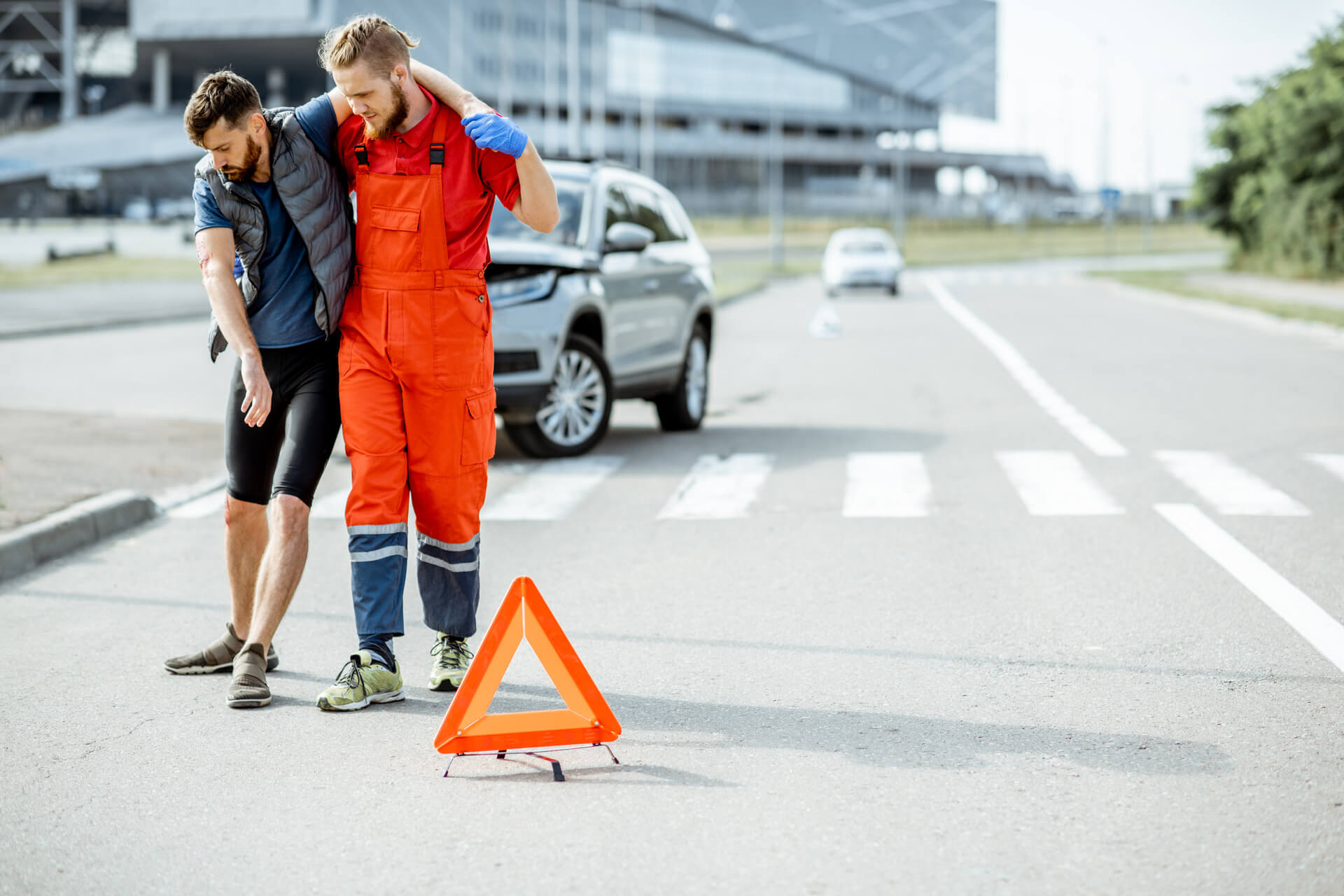
Getting hit by a car as a pedestrian creates immediate chaos, pain, and confusion about what steps to take to protect your legal rights and health. The moments and days following a pedestrian accident determine whether you receive fair compensation for injuries, medical bills, lost wages, and the trauma of being struck while simply walking.
Pedestrian accidents often result in catastrophic injuries because walkers have no protection against thousands of pounds of metal striking them at speed. Understanding the critical steps after being hit by a car helps preserve evidence, document injuries, and build strong compensation claims.
If you just need expert legal advice straight away, our Savannah pedestrian accident lawyers are available for a free consultation
Key Takeaways for Pedestrian Hit by Car What to Do
- Seek immediate medical evaluation, even without obvious injuries, as internal bleeding, traumatic brain injuries, and soft tissue damage often have delayed, worsening symptoms.
- Document everything because comprehensive evidence strengthens claims and prevents insurance companies from disputing injury severity or crash circumstances when memories fade.
- Georgia law under O.C.G.A. § 40-6-91 requires drivers to stop and remain stopped for pedestrians who are legally crossing in marked crosswalks, establishing strong liability when drivers violate this duty.
- Never provide recorded statements to insurance companies or accept quick settlement offers before understanding the full extent of your injuries because insurers may use early statements to minimize payouts.
- An attorney protects your rights by ensuring proper evidence collection, handling all insurance communications, and pursuing fair compensation that accounts for medical expenses, lost income, pain, suffering, and long-term impacts.
Immediate Medical Priorities After Being Hit
Medical evaluation is the single most critical step after being hit by a car, even when injuries seem minor initially. Many serious injuries, including internal bleeding, brain trauma, and organ damage, show no immediate external signs. Immediate medical attention creates documentation linking injuries directly to crashes, discouraging insurance company arguments that injuries resulted from other causes or developed later.
Delaying treatment allows injuries to worsen and gives insurance companies ammunition to dispute causation. Emergency rooms provide comprehensive evaluations, including imaging studies that detect hidden injuries. Medical records created immediately after crashes establish clear causation, making them essential evidence for compensation claims.
Common Injuries From Pedestrian Accidents
| Type of Injury | How the Injury Occurs | Potential Long-Term Impact |
|---|---|---|
| Traumatic Brain Injuries (TBIs) | Head strikes the vehicle, windshield, or pavement during impact | Memory loss, cognitive impairment, personality changes, long-term disability |
| Broken Bones & Fractures | Direct impact with the vehicle or forceful contact with the ground | Surgeries, permanent mobility limitations, chronic pain |
| Spinal Cord & Back Injuries | Violent twisting, compression, or impact to the back or neck | Partial or total paralysis, loss of independence, lifelong medical care |
| Internal Organ Damage | Blunt force trauma to the abdomen or chest | Internal bleeding, organ failure, life-threatening complications |
| Road Rash & Soft Tissue Injuries | Sliding across pavement after being thrown from impact | Infection risk, permanent scarring, nerve damage |
| Pelvic & Hip Injuries | Side-impact collisions or being pinned by the vehicle | Reduced mobility, long rehabilitation, permanent impairment |
Pedestrian accidents often lead to severe injuries because walkers have no protection against the full force of impact. These injuries can include:
- Traumatic Brain Injuries (TBIs): These occur when the head strikes the vehicle or pavement, potentially resulting in concussions, skull fractures, or intracranial bleeding.
- Broken Bones: Fractures to the legs, arms, ribs, and pelvis are common when a vehicle strikes a pedestrian or throws them to the ground.
- Internal Organ Damage: Blunt force trauma can rupture organs like the spleen, liver, or kidneys, creating life-threatening situations.
- Spinal Injuries: Violent twisting and compression forces can cause injuries to the spine, with the potential for paralysis.
- Road Rash: Painful skin abrasions that require extensive medical care can result from sliding across the pavement after impact.
Why Medical Documentation Matters
Medical records are crucial because they offer objective evidence of how severe your injuries are, the treatment you’ve received, and what medical professionals think about your recovery and future needs. These records prove your injuries were caused by the crash because they document them immediately. If there are gaps in your treatment, insurance companies may argue your injuries weren’t serious or were caused by something else.
Consistently following all treatment recommendations also strengthens your claim by showing your injuries required ongoing care. If you miss appointments or delay recommended treatments, the defense will argue that your non-compliance, rather than the initial crash, is what caused your condition to worsen.
Documenting the Accident Scene and Injuries
Comprehensive documentation creates the foundation for successful pedestrian accident claims by preserving evidence that might disappear within days. Strong documentation proves how crashes occurred, establishes driver fault, and demonstrates injury severity in ways that overcome insurance company resistance.
Photographs, witness statements, and physical evidence collected as soon as possible after crashes often determine whether victims recover fair compensation or face disputed claims.
Critical Evidence to Preserve
Evidence collection immediately following pedestrian accidents should focus on information that disappears quickly or becomes harder to obtain over time. Taking these documentation steps strengthens claims significantly by providing objective proof.
Essential evidence in pedestrian accident cases includes:
- Photographs of visible injuries, including bruises, lacerations, road rash, and swelling, taken immediately and throughout recovery
- Pictures of the accident location showing crosswalks, traffic signals, sight obstructions, and vehicle positions
- Driver information, including name, license number, insurance details, and vehicle registration
- Witness names and contact information for people who saw the crash occur
- Police report documenting the officer’s observations, citations issued, and preliminary fault determinations
This evidence establishes how accidents occurred and helps determine liability when drivers dispute fault or claim that pedestrians darted into traffic. Photographs of injuries demonstrate severity in ways that written medical records alone cannot convey.
Creating Your Own Documentation
Victims strengthen claims by keeping detailed records beyond official reports and medical documentation. Pain journals provide evidence of non-economic damages that medical records don’t capture.
Expense tracking documents economic damages comprehensively. Lost wage documentation from employers showing missed work and reduced hours establishes income losses that compensation claims must address.
Understanding Fault in Pedestrian Accidents
Fault determination in pedestrian accidents considers multiple factors beyond whether pedestrians crossed at marked crosswalks. Georgia law provides pedestrians certain protections while also requiring walkers to exercise reasonable care for their own safety.
Many drivers and insurance companies automatically assume pedestrians share fault for being struck. However, drivers owe duties to watch for and yield to pedestrians in many circumstances, while pedestrians must follow traffic laws to avoid contributing to crashes.
Take Action After Your Pedestrian Accident
Don’t let a pedestrian accident define your future. Our experienced Augusta pedestrian accident lawyers can help you recover the compensation you deserve.
When Drivers Bear Fault
Drivers violate pedestrian rights and bear clear liability in numerous common scenarios. Georgia law under O.C.G.A. § 40-6-91 requires drivers to stop and remain stopped for pedestrians who are legally crossing in marked crosswalks, establishing strong liability when drivers violate this duty. Drivers who fail to stop at marked crosswalks, strike pedestrians crossing with walk signals, or hit pedestrians in parking lots where pedestrians have right-of-way demonstrate clear negligence.
Distracted drivers texting or talking on phones when they strike pedestrians bear obvious fault. Impaired drivers operating under the influence face both criminal charges and civil liability. Drivers exceeding speed limits or driving recklessly in areas with high pedestrian traffic demonstrate negligence when they strike walkers.
Pedestrian Duties and Comparative Fault
Pedestrians are legally required to obey traffic control devices, cross at marked crosswalks where provided, and not enter crosswalks when signals prohibit crossing. Violations of these duties lead to comparative fault assessments and potentially reduced or barred compensation. Georgia follows modified comparative negligence under O.C.G.A. § 51-12-33, which bars recovery if the pedestrian is 50% or more at fault and reduces damages proportionally otherwise, applying to all parties involved.
Even when pedestrians contributed to crashes by crossing outside designated areas, drivers who failed to exercise reasonable care often bear primary responsibility. The fault assessment considers all contributing actions by both pedestrians and drivers.
Dealing With Insurance Companies
Insurance companies employ aggressive tactics to minimize payouts. Understanding these strategies helps victims protect their rights and avoid statements or settlements that undervalue claims.

What Insurance Companies Want
Insurance adjusters seek information that helps them deny or reduce claims. Recorded statements provide opportunities to catch victims minimizing pain, admitting uncertainty about crash details, or accepting partial responsibility. Quick settlement offers attempt to resolve claims before victims reach maximum medical improvement or understand the long-term impacts of their injuries.
Protecting Your Rights During Claims
Victims protect their rights by declining to provide recorded statements to drivers’ insurance companies without attorney guidance. Pedestrians are not required to speak with adverse insurers immediately after crashes. Politely declining interviews until you can consult an attorney prevents you from making statements that insurers might later use to dispute claims.
Never accept settlement offers without fully understanding injury prognosis and future treatment needs. Settlements include releases preventing future claims even when complications develop or injuries prove more serious than initially diagnosed.
How Legal Representation Strengthens Your Claim
Pedestrian accident victims benefit tremendously from experienced legal representation that handles insurance communications, investigates crashes thoroughly, and pursues maximum compensation for all damages.
Attorneys investigate crashes thoroughly by obtaining police reports, traffic camera footage, and witness statements that establish how accidents occurred. Accident reconstruction experts might analyze physical evidence to determine vehicle speeds, impact points, and driver reaction times. Medical expert testimony may explain injury severity, treatment requirements, and long-term prognosis in ways that juries understand.
Experienced attorneys recognize when injuries warrant punitive damages beyond compensatory awards. Drivers who struck pedestrians while intoxicated, texting, or driving recklessly demonstrate the willful disregard that may justify punitive damages, which are designed to punish egregious conduct.
Special Circumstances in Pedestrian Claims
Certain pedestrian accident scenarios create unique legal issues. Understanding how these circumstances affect claims helps victims recognize when additional legal theories might apply.
Call us at 912-405-2978 or fill out our online contact form. We’re here to help you recover the compensation you deserve.
Hit-and-Run Accidents
Hit-and-run crashes where drivers flee without stopping create immediate challenges for identifying responsible parties and pursuing compensation. Victims of hit-and-run accidents may recover compensation through uninsured motorist coverage under their own auto insurance policies, subject to their policy terms and conditions. This coverage applies even though victims were walking rather than driving when struck.
Georgia law treats hit-and-run drivers as uninsured motorists for the purposes of victims’ own insurance coverage. Victims must report hit-and-runs to police promptly and cooperate with investigations to preserve uninsured motorist claims. Surveillance cameras from nearby businesses, traffic cameras, and witness accounts sometimes help identify fleeing drivers.
Parking Lot and Private Property Accidents
Pedestrian accidents in parking lots, shopping centers, and private property create potential claims against both drivers and property owners. In parking lots and private property, pedestrian accident liability usually arises under premises liability, requiring proof that owners knew or should have known about hazardous conditions and failed to remedy or warn. Drivers must exercise heightened caution in parking areas where pedestrians frequently cross between parked vehicles.
Property owners face premises liability when dangerous conditions contribute to accidents. These claims require proving that dangerous conditions existed, owners had notice of the hazards, and owners failed to remedy the dangers or warn pedestrians adequately.
Pedestrian Accidents Involving Children
Children struck by vehicles while playing, walking to school, or crossing streets face particularly devastating injuries. Drivers owe heightened duties of care in areas where children are present, including school zones, residential neighborhoods, and parks. Courts recognize that children lack the judgment and caution of adults, placing greater responsibility on drivers to watch for and avoid striking young pedestrians.
Parents may pursue compensation on behalf of injured children for medical expenses, future care needs, pain and suffering, and permanent disabilities that affect their child’s quality of life.
Timeline and Deadlines for Pedestrian Claims
Understanding critical deadlines helps pedestrian accident victims protect their rights to pursue compensation. Missing statutory time limits destroys the ability to recover damages regardless of injury severity or clear driver fault.
Georgia imposes a two-year statute of limitations for personal injury claims under O.C.G.A. § 9-3-33. This deadline begins running from the accident date. Victims who fail to file lawsuits within two years lose their rights to pursue compensation permanently. South Carolina allows three years under S.C. Code § 15-3-530.
Consulting attorneys promptly after pedestrian accidents allows for a thorough investigation while evidence remains fresh. Witnesses’ memories fade over time. Physical evidence at accident scenes disappears. Early attorney involvement preserves evidence and protects rights.
FAQ for Pedestrians Hit by a Car
What If the Driver Claims I Jumped Out in Front of Them?
Drivers may claim pedestrians appeared suddenly to shift blame and reduce liability. These allegations require investigation through witness statements, surveillance footage, traffic signal timing, and accident reconstruction analysis. Physical evidence, including skid marks, impact points, and vehicle damage patterns, may contradict driver claims. Attorneys gather evidence proving pedestrians were visible and drivers failed to exercise reasonable care regardless of crossing location.
What If I Don't Have Health Insurance to Cover Treatment?
Many medical providers treat accident victims on a lien basis, meaning they agree to wait for payment until claims settle. Attorneys may help arrange treatment with providers who accept liens, allowing victims to receive necessary care immediately. Some providers reduce bills after settlements to increase net recovery. Personal injury protection coverage on auto policies sometimes covers pedestrian medical expenses regardless of fault.
What If the Police Report Lists Me as Partially at Fault?
Police reports are the officer’s opinions based on a limited investigation immediately after crashes. These reports are not final fault determinations, and victims may challenge incorrect conclusions through additional evidence. Witness statements, traffic camera footage, and accident reconstruction often reveal facts officers missed. Courts make independent fault determinations based on all evidence presented, not just police conclusions.
What If I Was Hit While Intoxicated?
Pedestrian intoxication affects but doesn’t automatically eliminate compensation rights. Courts evaluate whether intoxication contributed to the crash by impairing judgment or causing pedestrians to walk into traffic unpredictably. Even intoxicated pedestrians may recover substantial compensation when drivers acted negligently through speeding, distraction, or traffic violations. Georgia’s comparative negligence system assigns fault percentages reflecting each party’s contribution, allowing recovery unless pedestrians bore 50% or more responsibility.
What If My Accident Happened on Private Property Like a Parking Lot?
Pedestrian accidents on private property create potential claims against both drivers and property owners. Georgia traffic laws generally do not apply on private property, so liability usually arises from premises liability and negligence law rather than traffic code violations. Property owners face liability when dangerous conditions contribute to accidents. These additional claims provide compensation sources beyond driver insurance, often substantially increasing total recovery.
Take Action to Protect Your Future
Pedestrian accidents create devastating injuries, overwhelming medical bills, and long-term disabilities that demand comprehensive compensation. Jamie Casino Injury Attorneys stands ready to fight aggressively for pedestrians struck by negligent drivers, building compelling cases that hold responsible parties accountable and pursue fair compensation for all damages.
If you were hit by a car in Savannah, contact Jamie Casino Injury Attorneys at (912) 355-1500 for a free consultation. For accidents in Augusta, call (706) 842-3817. Columbia area victims may reach the firm at (803) 373-0375. The firm handles cases on a contingency fee basis—you pay nothing unless compensation is recovered. Let fearless advocates fight for fair compensation while you focus on healing from your injuries.