

A construction site is a whirlwind of activity, a place where innovation and hard work build the future. Yet, beneath the hum of machinery and the focused labor, these sites are also incredibly dangerous environments. 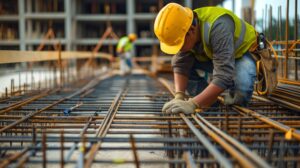
When an accident happens, the consequences for workers and even passersby can be devastating, leading to severe injuries, lost income, and a future clouded by uncertainty. If you’ve been hurt on a Georgia construction site, you’re likely grappling with pain, medical bills, and a pressing question: “Who is responsible for injuries at a construction site in Georgia?”
The answer is rarely simple and often involves a complex web of laws and potentially liable parties. Understanding who might be held accountable under Georgia law is your crucial first step toward securing the compensation you desperately need, guidance our Jamie Casino Injury Attorneys team provides every day.
Key Takeaways About Georgia Construction Site Injuries
- Complex Liability: Construction site accidents in Georgia often involve multiple potentially responsible parties, including property owners, general contractors, subcontractors, and equipment manufacturers.
- More Than Just Workers’ Comp: While workers’ compensation is a primary avenue for many injured workers, it might not cover all damages or be available to everyone. Third-party claims offer a chance for more comprehensive compensation.
- Duty of Care: Most entities on a construction site owe a duty of care to ensure safety. A breach of this duty, leading to an injury, forms the basis of many negligence claims.
- Georgia’s Unique Laws: Georgia law has specific statutes and precedents governing premises liability, contractor liability, and workplace safety that impact these claims.
- Prompt Action is Crucial: Gathering evidence immediately and consulting with an experienced Georgia construction accident attorney is vital to protecting your rights and maximizing your claim.
The Inherent Dangers: Why Construction Sites Are High-Risk Zones
Construction sites, whether they’re erecting towering skyscrapers in Atlanta, building new subdivisions in Savannah, or expanding infrastructure in Augusta, are inherently hazardous workplaces. The sheer scale of operations, the heavy machinery, the work at heights, and the constant movement of materials create an environment ripe for accidents if safety protocols aren’t strictly followed.
Common hazards that unfortunately lead to severe injuries include:
- Falls from Heights: Scaffolding collapses, unprotected edges, ladder failures.
- Struck By Objects: Falling debris, unsecured materials, equipment failures.
- Equipment Malfunctions: Defective cranes, excavators, forklifts, and power tools.
- Electrocutions: Exposed wiring, contact with power lines.
- Trench Collapses: Unstable excavations.
- Slip and Falls: Uneven surfaces, debris, slick conditions.
- Crush Injuries: Between heavy machinery or collapsing structures.
Who are the Potential Liable Parties in Georgia?
Identifying the responsible party (or parties) after a Georgia construction accident is rarely straightforward. Unlike a typical car accident, where fault might be clearer, a construction site is a collaborative environment, meaning many different individuals and entities could share accountability for a safety lapse.
Under Georgia law, several parties may owe a duty of care to ensure a safe work environment, and their negligence could lead to liability.
1. The Property Owner
The owner of the land where construction is taking place has a fundamental responsibility to ensure safe premises. While they might hire a general contractor to manage the project, they still bear some liability, especially if:
- They retained control over any part of the work and failed to exercise that control reasonably.
- They were aware of dangerous conditions on their property before construction began and failed to fix them or warn others.
- They provided faulty plans or specifications that contributed to the accident.
Georgia premises liability laws state that a property owner is liable for damages caused by their failure to exercise ordinary care in keeping the premises and approaches safe for their invitees, which would include construction workers.
2. The General Contractor
Often seen as the “captain of the ship,” the general contractor typically oversees the entire construction project. This broad oversight comes with significant responsibility for overall site safety. Their potential liability arises from:
- Failure to Provide a Safe Work Environment: This includes maintaining common areas, ensuring adequate lighting, and addressing general site hazards.
- Negligent Supervision: Failing to properly supervise subcontractors or workers.
- Failure to Implement and Enforce Safety Protocols: Not establishing or ensuring adherence to OSHA regulations and other safety standards.
- Providing Defective Equipment or Tools: Supplying unsafe machinery or tools to workers.
- Improper Coordination of Trades: Allowing different trades to work in a manner that creates hazards for each other.
A general contractor’s duty extends to all workers on site, not just their direct employees, if they have control over the means and methods of the work.
3. Subcontractors
Specialized subcontractors are hired by the general contractor to perform specific tasks, such as electrical work, plumbing, roofing, or excavation. If an accident occurs due to the subcontractor’s negligence or the negligence of their employees, the subcontractor can be held liable. Examples include:
- An electrical subcontractor who fails to properly de-energize circuits, leading to electrocution.
- A roofing subcontractor who fails to install guardrails, resulting in a fall.
- An excavation subcontractor who fails to support a trench properly, leading to a collapse.
4. Equipment Manufacturers
Many construction accidents are caused by defective machinery, tools, or safety equipment. If a piece of equipment malfunctions due to a design flaw, a manufacturing defect, or inadequate warnings/instructions, the manufacturer of that equipment can be held liable under product liability laws.
Georgia’s product liability laws allow injured parties to seek compensation from manufacturers, distributors, and sellers if a defective product caused their injury, regardless of whether there was direct negligence by the manufacturer. This is known as strict liability.
5. Engineers and Architects
While less common, engineers and architects can also be held responsible if their faulty designs, plans, or specifications directly contribute to an accident. For instance, if a structural design flaw leads to a collapse, the responsible engineering firm could face liability.
A Crucial Distinction: Workers’ Compensation vs. Third-Party Claims
For many injured construction workers, workers’ compensation is the first avenue of relief. Workers’ compensation is a no-fault insurance system, meaning you can receive benefits for work-related injuries regardless of who was at fault, as long as the injury occurred within the scope of your employment.
Work comp covers medical expenses and a portion of lost wages; however, it has significant limitations:
- No Pain and Suffering: It generally does not compensate for non-economic damages like pain and suffering, emotional distress, or loss of enjoyment of life.
- Limited Wage Replacement: It only covers a percentage of lost wages, not your full earnings.
- Limited Defendants: You cannot sue your direct employer for negligence if you are covered by workers’ comp.
This is where a third-party claim becomes vital. A third-party claim is a personal injury lawsuit filed against any party other than your direct employer whose negligence contributed to your accident. This could be the property owner, the general contractor (if they are not your direct employer), a subcontractor, an equipment manufacturer, or even another driver on the site.
The immense advantage of a third-party claim is the ability to recover a full range of damages, including:
- All past and future medical expenses
- All past and future lost wages and earning capacity
- Pain and suffering
- Emotional distress
- Loss of consortium (for spouses)
- Punitive damages (in rare cases of gross negligence)
Navigating Georgia’s Legal Landscape: Important Considerations
Georgia law presents several specific elements that impact construction accident claims:
Modified Comparative Negligence
Georgia follows a modified comparative negligence rule. This means that if you are found to be partially at fault for your accident, your compensation will be reduced by your percentage of fault. However, if you are found to be 50% or more at fault, you are barred from recovering any damages. This makes it crucial to have an attorney who can skillfully present your case and minimize any allegations of your own fault.
Statute of Limitations
In Georgia, you generally have two years from the date of your injury to file a personal injury lawsuit (including third-party construction accident claims) in court. For workers’ compensation claims, the deadlines are different and typically shorter, often one year from the date of injury to file a claim. Miss these deadlines, and you likely lose your right to seek compensation forever.
OSHA Regulations
The Occupational Safety and Health Administration (OSHA) sets federal safety standards for construction sites. While a violation of an OSHA regulation doesn’t automatically prove negligence in a civil lawsuit, it can be powerful evidence that a party failed to meet their duty of care. An attorney investigating your case will often look for OSHA violations that contributed to your accident.
What Steps Should I Take After a Construction Site Injury?
If you’ve been injured on a construction site in Georgia, taking immediate and deliberate steps can significantly impact your ability to secure justice and compensation:
- Seek Immediate Medical Attention: Your health is the absolute priority. Even if you don’t feel severely injured, some conditions can worsen over time. A medical record also provides crucial documentation for your claim.
- Report the Accident: Report the incident to your supervisor, employer, or the site foreman immediately. Ensure an official accident report is created, and get a copy if possible.
- Document Everything:
- Photos/Videos: Take pictures of the accident scene, any hazardous conditions, the equipment involved, your injuries, and anything else relevant.
- Witnesses: Get names and contact information for anyone who saw the accident or the conditions leading up to it.
- Keep Records: Maintain all medical records, bills, wage statements, and communications related to your injury.
- Do NOT Give Recorded Statements: Do not provide a recorded statement to any insurance company (yours or the at-fault party’s) without first consulting an attorney. These statements can be used against you.
- Do NOT Sign Anything: Do not sign any waivers, releases, or settlement offers from insurance companies or employers without legal review. You could unknowingly give up your rights.
- Contact an Experienced Georgia Construction Accident Attorney: This is the most crucial step. A knowledgeable attorney can immediately begin investigating your accident, identify all potentially liable parties, navigate the complexities of workers’ compensation and third-party claims, and build a powerful case on your behalf.

FAQs About Georgia Construction Accident Claims
Can I sue if I’m an independent contractor or not directly employed?
This depends on the specifics of your agreement and the level of control the hiring entity had over your work. While independent contractors typically aren’t covered by workers’ compensation, they can often pursue personal injury claims against negligent third parties, including the general contractor or property owner, if their negligence caused the injury. It’s essential to have an attorney evaluate your employment status and legal options.
What kind of compensation can I expect from a successful construction accident claim?
A successful third-party construction accident claim in Georgia can result in compensation for a wide range of damages. This includes economic damages like:
- All past and future medical expenses (including rehabilitation, ongoing care, and prescription costs)
- Lost wages
- Loss of earning capacity
- Property damage
It also includes non-economic damages such as:
- Pain and suffering
- Emotional distress
- Disfigurement
- Loss of enjoyment of life
In cases of wrongful death, families can seek compensation for funeral expenses, the value of the deceased’s life, and their own emotional suffering.
How long does it take to resolve a construction accident claim?
The legal timeline varies significantly depending on the complexity of the case, the severity of the injuries, the number of liable parties, and whether the case goes to trial. Some claims may settle within a year, while others, particularly complex ones with extensive damages, could take several years to fully resolve. An attorney can provide a more accurate estimate after reviewing the specifics of your case.
At Jamie Casino Injury Attorneys, We Fight for Your Right to Justice After a Georgia Construction Site Accident
Jamie Casino Injury Attorneys fiercely advocates for injured construction workers in Georgia. We understand the unique complexities of these cases and possess the experience to unravel intricate liability issues, challenge powerful insurance companies, and fight relentlessly for the maximum compensation you deserve.
We don’t back down from a fight, and we’re ready to take on the builders, the contractors, and the corporations to ensure your rights are protected. Your devastating injury should not lead to financial ruin.
If you or a loved one has suffered a serious injury on a construction site in Georgia – whether in Savannah, Augusta, or anywhere else in the state – you need a fearless legal team by your side. Contact Jamie Casino Injury Attorneys today at (912) 355-1500 for Savannah or (706) 842-3817 for Augusta for a free, no-obligation consultation.
We work on a contingency fee basis, meaning you pay nothing unless we win. Let us fight for the justice you deserve.