

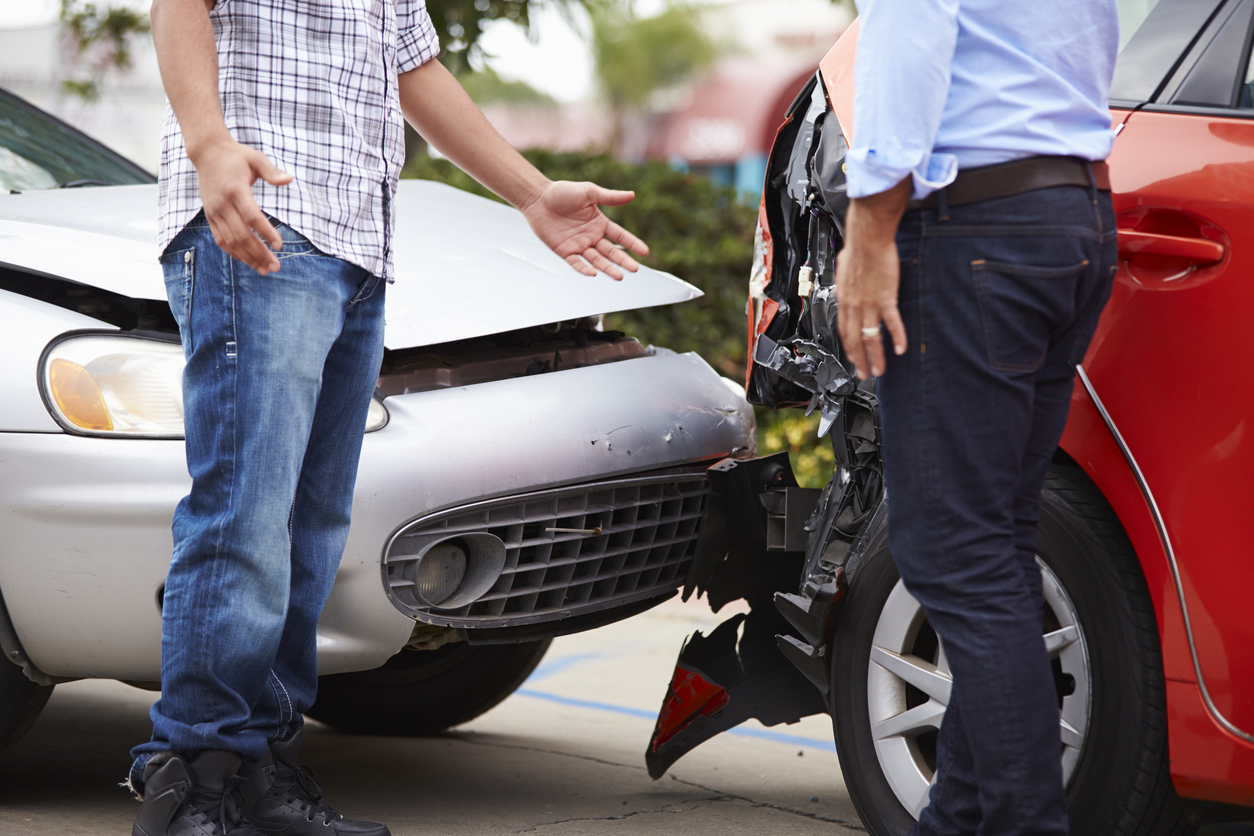
In Georgia, the driver who rear-ends another vehicle is typically at fault. This assumption stems from the expectation that drivers must maintain a safe distance to prevent collisions.
However, there can be exceptions where the lead driver shares some responsibility. Even so, this is not always the case among the most common types of car accidents.
If You Hit Someone From Behind, is it Always Your Fault?
If you hit someone from behind, it is usually your fault, as drivers are expected to maintain a safe distance to avoid such accidents. However, there are exceptions where the driver in front may share responsibility, such as sudden stops or improper lane changes.
Who is at Fault in a 3-Car Rear-End Collision in Georgia?
In a three-car rear-end collision in Georgia, fault is typically assigned to the driver who initiated the chain reaction by hitting the car in front of them. This driver is usually considered responsible for the subsequent impacts.
However, determining fault can be complex, as factors like speed, following distance, and road conditions are also taken into account. Each accident is unique, so it’s important to consider all details before deciding who is at fault.
Understanding Liability in Rear-Ended Crashes
Determining liability in rear-ended crashes can be straightforward but also complex. The presumption of the reader driver in a rear-end accident being the faulty party can be challenged under certain conditions, making it important to examine each case carefully. There are two main elements here:
- Presumption of fault
- Rebuttable presumption
Presumption of Fault
The rear driver is generally presumed to be at fault in rear-end collisions. This is based on the idea that drivers should maintain a safe following distance and be prepared to stop if the car in front of them suddenly brakes. However, this presumption isn’t absolute and can be contested.
Rebuttable Presumption
There are scenarios where the rear driver might not be at fault. For example, if the front driver’s brake lights are not functioning, the rear driver might not have sufficient warning to stop.
Additionally, if the front driver is driving erratically or stops suddenly without a valid reason, the rear driver may have grounds to contest the presumption of fault. Mechanical failures in the rear vehicle, like brake malfunctions, can also be a factor in rebutting this presumption.
Factors Influencing Fault Determination
In Georgia, specific laws and the availability of evidence play essential roles in determining fault.
Modified Comparative Negligence
Georgia follows a modified comparative negligence rule, meaning that fault can be shared among multiple parties involved in an accident. If you are found partially at fault, your compensation may be reduced by your percentage of fault.
For example, if you are deemed 20% at fault, your total compensation would be reduced by 20%. This rule emphasizes the importance of proving the other driver’s negligence to maximize your compensation.
However, if your element of fault is greater than 50%, you won’t be able to claim compensation for damages.
Evidence and Documentation
Gathering strong evidence is essential in determining fault and securing the compensation you deserve. Dashcam footage can provide clear visual proof of the events leading up to the accident. Witness statements can offer unbiased accounts of the incident, supporting your version of events. Police reports often contain critical information and official determinations that can strengthen your case.
Common Scenarios and Legal Considerations When Getting Rear-Ended
Various scenarios and legal considerations come into play, making it essential to understand different situations that could influence liability.
- Sudden Stops and Brake-Checking: In cases where the lead driver stops abruptly without a valid reason or engages in brake-checking, they might be considered at fault. This type of negligent driving behavior can cause accidents and shift some or all the liability from the rear driver to the lead driver.
- Multi-Car Collisions: Accidents involving multiple vehicles are often complex. In a multi-car collision, determining fault requires a thorough investigation to identify each driver’s actions. The fault can be distributed among several parties, making collecting comprehensive evidence and witness statements essential to clarify the sequence of events and responsibilities.
- Exceptions to General Rules: While the rear driver is usually presumed at fault in rear-end collisions, there are exceptions. For instance, if a vehicle is stopped without proper signals, such as functioning taillights or brake lights, or if the lead driver makes a sudden lane change, the lead driver could be held responsible. These exceptions highlight the importance of examining the specific circumstances of each accident to determine fault accurately.
Legal Advice and Steps to Take Post-Collision
After a rear-end collision, knowing the legal implications and taking appropriate steps is necessary to not only pursue a potential claim but to also ensure you are protected legally.
Seeking Legal Counsel
Consulting with a personal injury lawyer is essential after a rear-end collision. An attorney can help navigate the claims process, ensuring that you receive fair compensation for damages and injuries. They can also provide valuable advice on dealing with insurance companies and understanding your rights under Georgia law.
What to Do if I Get Rear-Ended?
- Ensure Safety: Move to a safe location if possible and check for injuries. Call 911 if anyone is hurt.
- Document the Scene: Take photos of the accident scene, vehicle damage, and any visible injuries.
- Gather Information: Exchange contact and insurance information with the other driver(s) and collect contact details of any witnesses.
- Report the Accident: Contact the police to file an official accident report, which will be crucial for your claim.
- Seek Medical Attention: Even if you feel fine, see a doctor to rule out any hidden injuries.
- Contact a Lawyer: Contact a personal injury lawyer to discuss your case and get guidance on the next steps after a car crash. By calling our team today for a free consultation, your rear-end accident in Georgia can get taken care of quickly.
Common Injuries and Compensations
Rear-end collisions often result in a variety of injuries, ranging from minor to severe. While the level of injuries doesn’t reflect who was at-fault in the accident, they can affect the average settlement for a rear-end collision in Georgia.
Whiplash
Whiplash occurs when the head and neck are suddenly and forcefully thrown forward and then back, typically during a rear-end collision. This rapid movement strains the neck muscles and ligaments, causing them to stretch and sometimes tear, leading to pain, stiffness, and a reduced range of motion in the neck.
Compensation for whiplash can range from a few thousand dollars for minor cases to tens of thousands for severe injuries with long-term impacts.
Back Injuries
Back injuries from rear-end collisions can vary widely, including herniated discs, spinal fractures, and muscle strains. The sudden impact can compress the spine, causing the intervertebral discs to bulge or rupture (herniate), leading to pain and potential nerve compression. Spinal fractures may require immediate medical attention.
Compensation for back injuries can range from low thousands for minor strains to hundreds of thousands for severe injuries requiring long-term treatment or causing lost wages.
Compensation for whiplash can range from a few thousand dollars for minor cases to tens of thousands for severe injuries with long-term impacts.
Head Injuries
Head injuries in rear-end collisions often result from the head striking a part of the car’s interior, such as the steering wheel, dashboard, or window. These injuries can range from mild concussions to severe traumatic brain injuries (TBIs). Concussions are caused by a sudden jolt or blow to the head, leading to temporary loss of brain function, while severe TBIs can cause long-term cognitive and physical impairments.
Compensation for head injuries can vary significantly, with minor concussions potentially seeing settlements in the tens of thousands, while severe brain injuries with permanent disabilities could reach millions.
Compensation for back injuries can range from low thousands for minor strains to hundreds of thousands for severe injuries requiring long-term treatment or causing lost wages.
Compensation for whiplash can range from a few thousand dollars for minor cases to tens of thousands for severe injuries with long-term impacts.
Soft Tissue Injuries
Soft tissue injuries encompass damage to muscles, ligaments, and tendons, commonly affecting the neck, shoulders, and back in rear-end collisions. These injuries occur due to the sudden and forceful movement during the impact, which can stretch or tear the soft tissues.
Compensation for soft tissue injuries can range from a few thousand dollars for minor cases to settlements exceeding ten thousand dollars for chronic pain or limitations on movement.
Facial Injuries
Facial injuries in rear-end collisions can occur when the face strikes the steering wheel, dashboard, or airbag. The force of the impact can lead to cuts, bruises, or fractures in the facial bones.
Minor lacerations with minimal scarring might see settlements in the low thousands, while severe injuries requiring reconstructive surgery could reach hundreds of thousands. Compensation for facial injuries often reflects the physical and psychological distress caused by scarring and the need for reconstructive procedures.
Statistical Data on Rear-End Collisions
According to the National Highway Traffic Safety Administration (NHTSA), rear-end collisions made up 32.5% of all motor vehicle crashes in 2019. This type of accident was the most frequent, surpassing all other crash types. Rear-end collisions were linked to approximately 7% of all traffic fatalities and accounted for 31.1% of injuries from vehicle accidents.
In most states, the driver found to be at fault for a rear-end collision is responsible for covering the damages incurred by the victims. These damages can include:
- Medical expenses
- Lost wages due to injury
- Pain and suffering
- Property damage
Sometimes, the parties involved may go to court to determine liability and appropriate compensation. However, many rear-end collision cases are settled out of court. This is often because the fault is typically clear, with the rear driver found at fault, and the injuries tend to be less severe.
Case Studies
These examples help explain the factors affecting who is at fault, such as driver actions, road conditions, and vehicle upkeep. By examining these cases, we better understand accident liability and the importance of thorough investigations to ensure fair results for everyone involved.
Case Study 1: Multi-Vehicle Rear-End Collision
Scenario: During rush hour in a busy urban area, a chain reaction rear-end collision occurred involving five vehicles. The initial collision was caused by a driver distracted by their phone and failing to notice traffic slowing ahead. This driver rear-ended the car in front of them, causing a domino effect with the following three cars also being rear-ended.
Fault Determination: The primary fault was assigned to the distracted driver who initiated the collision. However, the investigation revealed that the third driver in the chain was following too closely, contributing to the severity of the collisions. As a result, the first driver was held primarily liable, while the third driver shared partial fault for their role in the accident. Insurance companies used detailed traffic reports, eyewitness statements, and vehicle damage assessments to apportion fault accurately.
Case Study 2: Rear-End Collision at a Traffic Light
Scenario: A driver stopped at a red light and was rear-ended by another vehicle. The driver of the striking vehicle claimed their brakes failed unexpectedly. However, an inspection later showed no evidence of brake failure.
Fault Determination: The striking vehicle’s driver was always at fault. Despite their claim, the lack of mechanical evidence of brake failure, combined with the standard expectation that drivers maintain control of their vehicles, led to this conclusion. The rear-ended driver successfully received compensation for vehicle repairs and medical expenses related to whiplash injuries sustained in the collision.
Recent Changes in Legislation
Senate Bill 83, passed in April 2024, introduces significant changes affecting personal injury cases arising from car accidents in Georgia. This new law primarily modifies the pre-suit time-limited demands (TLDs) in auto accident cases. These changes are intended to curb bad faith claims and clarify the settlement process.
Key changes include:
- Safe Harbor Provision: Insurers now have a safe harbor from bad-faith claims if they accept a TLD according to the statute’s terms.
- Material Terms Enumeration: The statute enumerates seven essential terms that must be included in a TLD, simplifying what constitutes a valid demand and limiting extraneous conditions that could lead to disputes.
- Bilateral Contract Formation: Accepting a TLD now creates a binding bilateral contract, reducing the possibility of claims that an insurer’s acceptance was actually a counteroffer due to minor discrepancies.
These amendments aim to reduce litigation by providing clearer guidelines for insurers and claimants, ultimately facilitating more straightforward settlements.
Contact Us for Experienced Legal Guidance on Rear-End Accident Settlements in Georgia
If you’ve been involved in a rear-end collision, seeking immediate medical attention and documenting the incident thoroughly is important. We offer victims a free consultation so they can recover damages quickly and easily.
For more information, please contact the personal injury attorneys at Jamie Casino Injury Attorneys at our nearest location to schedule a free consultation today.
We serve Savannah, Augusta, Columbia, as well as the Georgia and South Carolina surrounding areas.
Jamie Casino Injury Attorneys – Savannah Office
480 Mall Blvd, Savannah, GA, 31406
(912) 355-1500
Jamie Casino Injury Attorneys – Augusta Office
1450 Greene St, Suite 140
Augusta, GA, 30901
(912) 737-6146
Jamie Casino Injury Attorneys – Columbia Office
1507 Richland St, Columbia, SC, 29201
(912) 513-4955